ServicesEV Charger Installation
EV Charger Installation in Westworth Village
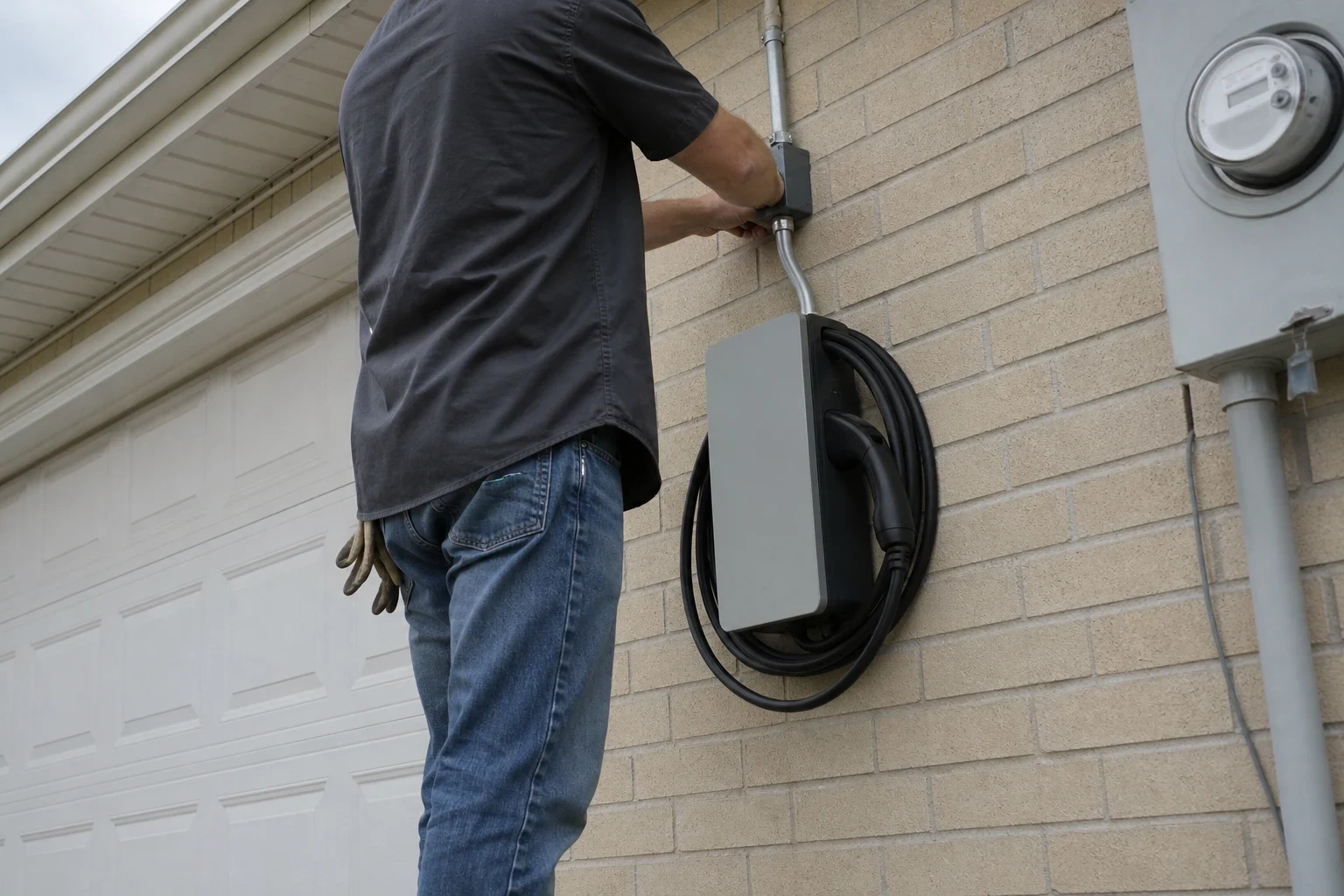
We install Level 2 chargers in garages and on outside walls. First we check your panel can carry the load. Then we run a dedicated circuit sized for the charger, pull the permit and stay with the job until it passes inspection.
A charger is only as good as the circuit behind it
A Level 2 charger draws heavy current for hours without a break. A dryer or oven works differently, switching on and off as it runs. Code counts EV charging as a continuous load, which means the breaker and wire must be sized with headroom. Undersize them and you end up with a hot breaker, a circuit that keeps tripping or plug contacts that melt.
We fit the install to three things: the charger, your panel and the code. We check what your home has now, tell you straight what the job takes and wire it to pass inspection on the first try. If your panel is too small or has no room, you hear that from us before work begins.
What the install covers
Load calculation
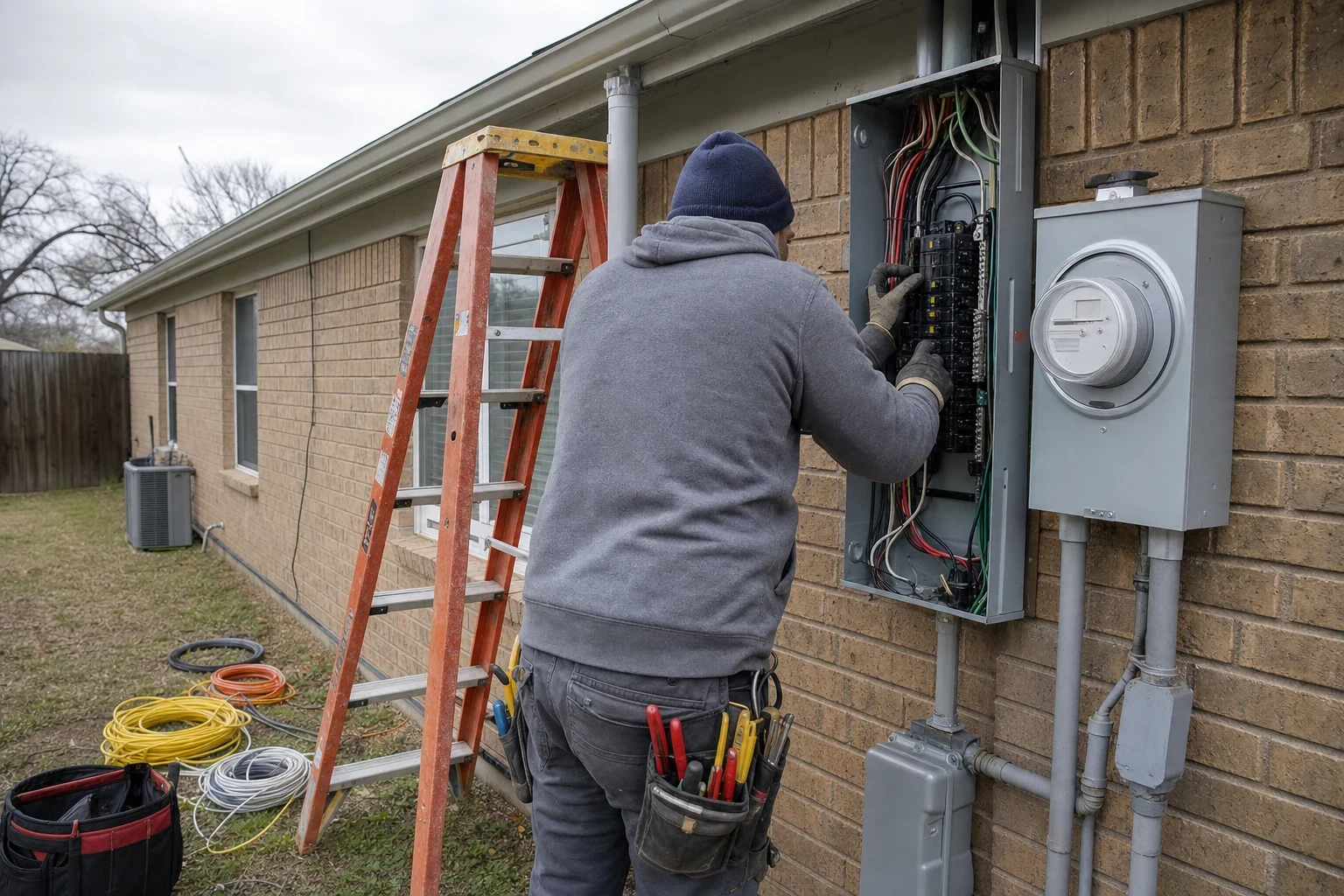
We add up what your home already uses and see how much room is left. This tells us what size charger circuit your service can safely support.
Dedicated 240-volt circuit
A new breaker and wire run that feeds only the charger. Wire gauge is matched to the breaker and the length of the run.
Hardwired unit or 14-50 outlet
We can hardwire the charger or install a NEMA 14-50 outlet for a plug-in unit. For an outlet, we use a heavy-duty receptacle and the GFCI protection code calls for.
Outdoor-rated parts where needed
If the charger goes on an outside wall, we use weather-rated boxes, fittings and conduit. Wire runs on exterior walls are protected, not left exposed.
Permit and inspection
We file with the local jurisdiction as required and meet the inspector. You get a charger that is on record, which matters when you sell the house or file an insurance claim.
Signs it's time for a proper charger install
- Your car plugs into a regular outlet
- A plain 120-volt outlet gives back only a few miles of range for each hour of charging. If mornings start with a low battery, a Level 2 circuit solves it.
- The plug or cord runs hot
- Heat at a plug on a shared outlet tells you the circuit is straining. Unplug it and get the circuit checked.
- A breaker trips during charging
- Most often the charger is sharing a circuit or the panel is close to its limit. A load check and a dedicated circuit show which one it is.
- There's a new EV, or a second one, in the driveway
- Charging two cars on one service can overload an older panel. Before you buy equipment, we can look at load management or a split setup.
How the job day goes
- 1
Look before we quote
We check your panel, its rating and open breaker spaces, and walk the path from the panel to where you park. You get a written scope of work with what we found.
- 2
Paperwork filed
We file with the local jurisdiction before wiring starts. If your utility needs to know about the added load, we tell you what to send them.
- 3
Wiring and mounting
Power is shut off at the panel while we install the breaker. We run the wire, mount the charger or outlet and seal any wall openings. Most single-charger installs take part of one day.
- 4
Test and walk through
We power it up, check voltage and confirm the charger sees the right amperage setting. We show you how it works and clean up the work area.
- 5
Inspection
We schedule the inspection and are there for it. If the inspector asks for anything, we take care of it.
What sets the price
Charger installs don't come at one set price, since every panel and garage is laid out its own way. We quote once we've seen the space, and the written scope spells out what the price covers. These are the things that change it.
- How far the charger sits from the panel
- Mounting the charger beside the panel takes much less wire and conduit than putting it across a detached garage. Thick copper wire gets costly on long runs.
- Room and capacity in the panel
- With open space and spare capacity, the install stays simple. Without them, you may need a load management device or a panel upgrade, which our Panel Upgrades page explains.
- The charger's amp rating
- A 48-amp unit calls for a larger breaker and thicker wire than a 32-amp one. We help you choose a setting your home can carry.
- The path the wire takes
- Fishing wire through finished drywall, brick or a summer-hot attic takes longer than running conduit on the surface of an open garage wall.
- Permit costs
- The local jurisdiction sets these fees, not us. They appear on your estimate so you see them ahead of time.
EV charger questions
- Can the charger go in my garage?
- Yes, the garage is where most go. An outside wall by the driveway works too, using weather-rated parts. We look at where you park and choose the shortest safe path from the panel.
- Is a permit part of the charger install?
- Yes. The local jurisdiction requires one for a new 240-volt circuit, along with an inspection. We file it, are there for the inspector and correct anything noted.
- Is a hardwired charger or a plug-in one better?
- Hardwiring means no plug to wear out, and it can often charge at more amps. A 14-50 outlet makes it easy to change chargers or take yours when you move. We go over the pros and cons for your home and wire your pick to code.
- Can my panel carry a charger?
- Plenty can, though not all. On the first visit we do a load calculation. If there's no room, we lay out the choices: a lower charger setting, a load management device or a panel upgrade.
- Do I buy the charger before your visit?
- It's better to hold off until we've been out. When you know what your panel supports, you can pick a charger that matches it rather than one you'd have to set lower.
Get your home ready to charge
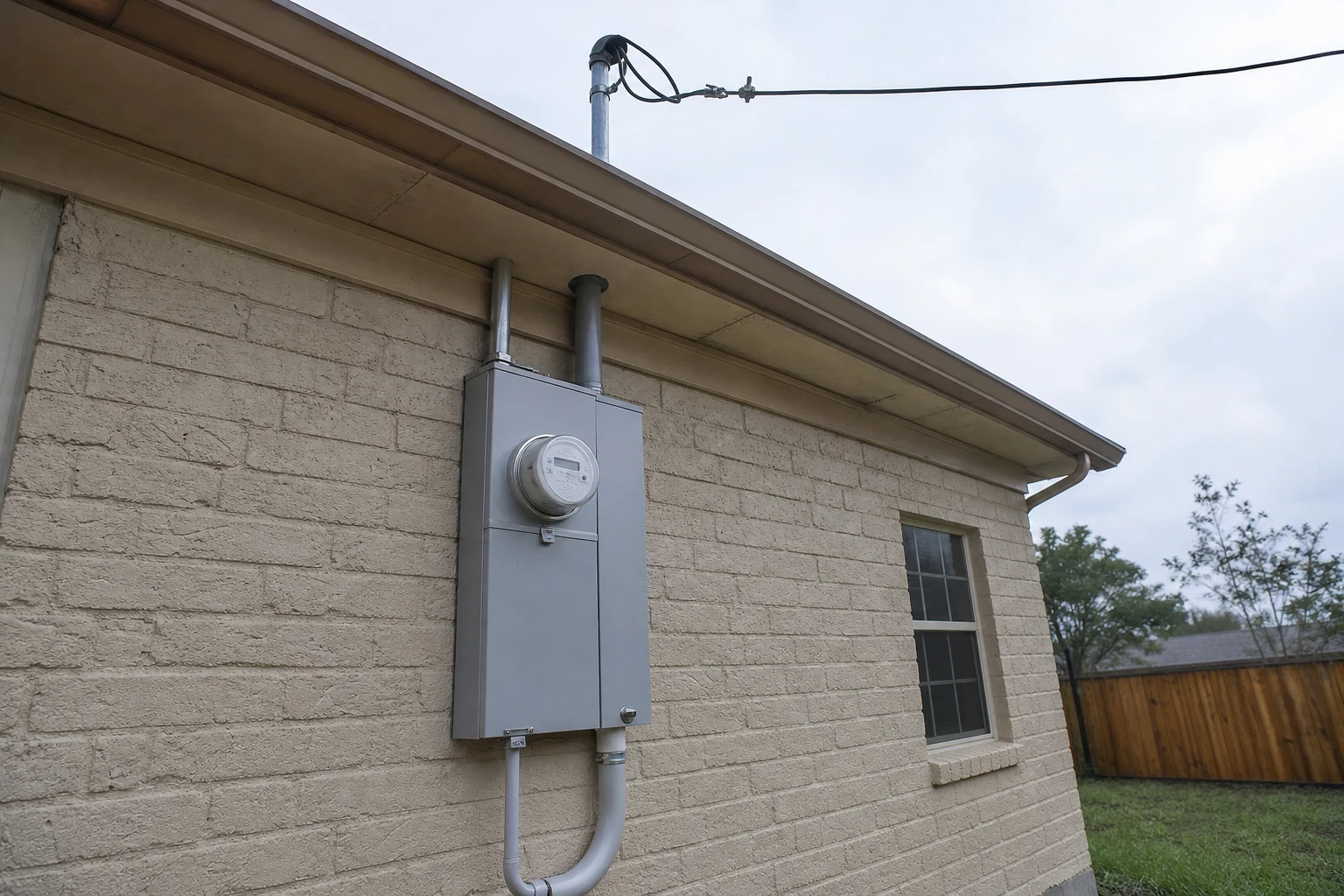
Tell us what car you drive and where you park. We'll set a time to look at your panel and give you a written scope before any work starts.