ServicesWhole-Home Rewiring
Whole-Home Rewiring in Westworth Village
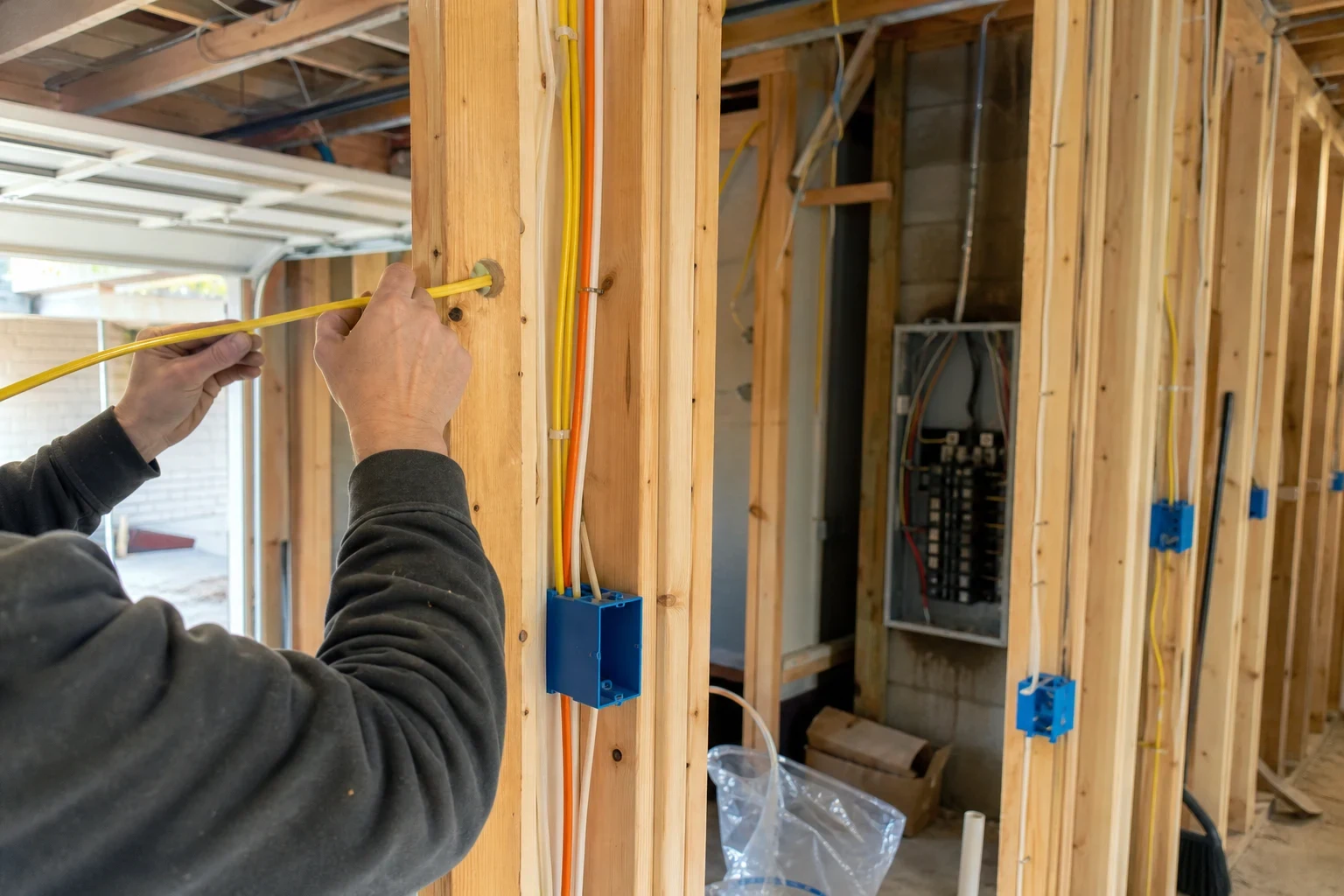
Old wiring does not fail all at once. It gets hot, brittle and overloaded until something gives. We replace it room by room, pull the permit, and have the work inspected before your walls close up. You get wiring built for how your home is used today.
When a Full Rewire Is the Right Call
A rewire means we pull out the old branch circuits in your home and run new copper cable, new boxes and new devices. It is a big job, so we only recommend it when repairs no longer make sense. If one bad circuit is the problem, our Electrical Repair work is the better fit, and we will tell you that.
The usual reasons are cloth-insulated wire that crumbles when touched, ungrounded two-prong circuits, older aluminum branch wiring, or a house full of splices and add-ons from past owners. In North Texas attics, summer heat bakes old insulation year after year, which speeds up the damage.
We explain the code side as we go. A rewire is filed with the local jurisdiction and inspected before it is signed off. When it is done, your home has the grounding, outlet protection and smoke alarm wiring current code expects.
What the Work Includes
A full survey of the old wiring
Before we price anything, we open panels and sample outlets, check the attic and crawl spaces, and note every circuit. You see what we found and why it matters.
New copper circuits sized to the load
Kitchens, laundry and bathrooms get their own circuits as code requires. We size wire to the breaker so nothing runs hot.
Grounded outlets and code-required protection
Every new outlet is grounded. We add GFCI protection near water and AFCI protection where the code calls for it.
Smoke alarm wiring
A rewire often brings smoke alarm requirements with it. We wire interconnected alarms where needed so one sounding sets off the rest.
Inspections and a clean finish
We handle the paperwork and meet the inspector at rough-in and final. We keep wall openings small and clean up at the end of each day.
Signs Your Home Needs Rewiring
- Wire that cracks or flakes
- If insulation breaks apart when an outlet is pulled, the wire behind your walls is likely the same. That bare copper can arc.
- Two-prong outlets throughout
- No ground wire means no safe path for a fault. Swapping in three-prong outlets without a ground does not fix it and will not pass inspection.
- Warm switches, plates or a burning smell
- Heat at a device points to loose connections or overloaded wire. Turn that circuit off and have it checked.
- Lights that dim when things kick on
- Flicker when the AC or a microwave starts often means too many loads share too few circuits.
- A patchwork of old repairs
- Buried splices, mixed wire types and extension cords used as permanent wiring all add up. At some point starting fresh costs less than chasing each problem.
- A failed home inspection
- Buyers' inspectors and insurers often flag old wiring. If the list is long, our Code Corrections & Inspection Fixes page covers smaller fixes, and a rewire covers the rest.
How a Rewire Goes
- 1
Service visit and survey
We walk your home, test circuits and look in the attic. Then we talk through what needs replacing and what can stay.
- 2
Written scope and paperwork
You get a written scope listing each room and circuit. Once you approve it, we file the permit with the local jurisdiction.
- 3
Room-by-room wiring
We work a few rooms at a time so most of your home keeps power. Old cable is cut out or abandoned safely, new cable is fished through walls and the attic.
- 4
Rough-in inspection
The inspector checks the new wiring, boxes and connections before anything is closed up. We fix any notes right away.
- 5
Devices, testing and final
We set outlets, switches and fixtures, test every circuit, and schedule the final inspection. You get a labeled panel and a walkthrough of what changed.
What Moves the Cost of a Rewire
No two houses are alike, so we quote once we've been through yours. Each part of the job is listed in the written scope, so nothing catches you off guard. These are the biggest drivers of the price.
- Home size and circuit count
- Each added room or circuit means extra cable, extra boxes and extra labor.
- Getting into the attic and walls
- A roomy, open attic moves fast. Cramped attics, plaster walls and finished ceilings make fishing wire slower.
- State of the panel
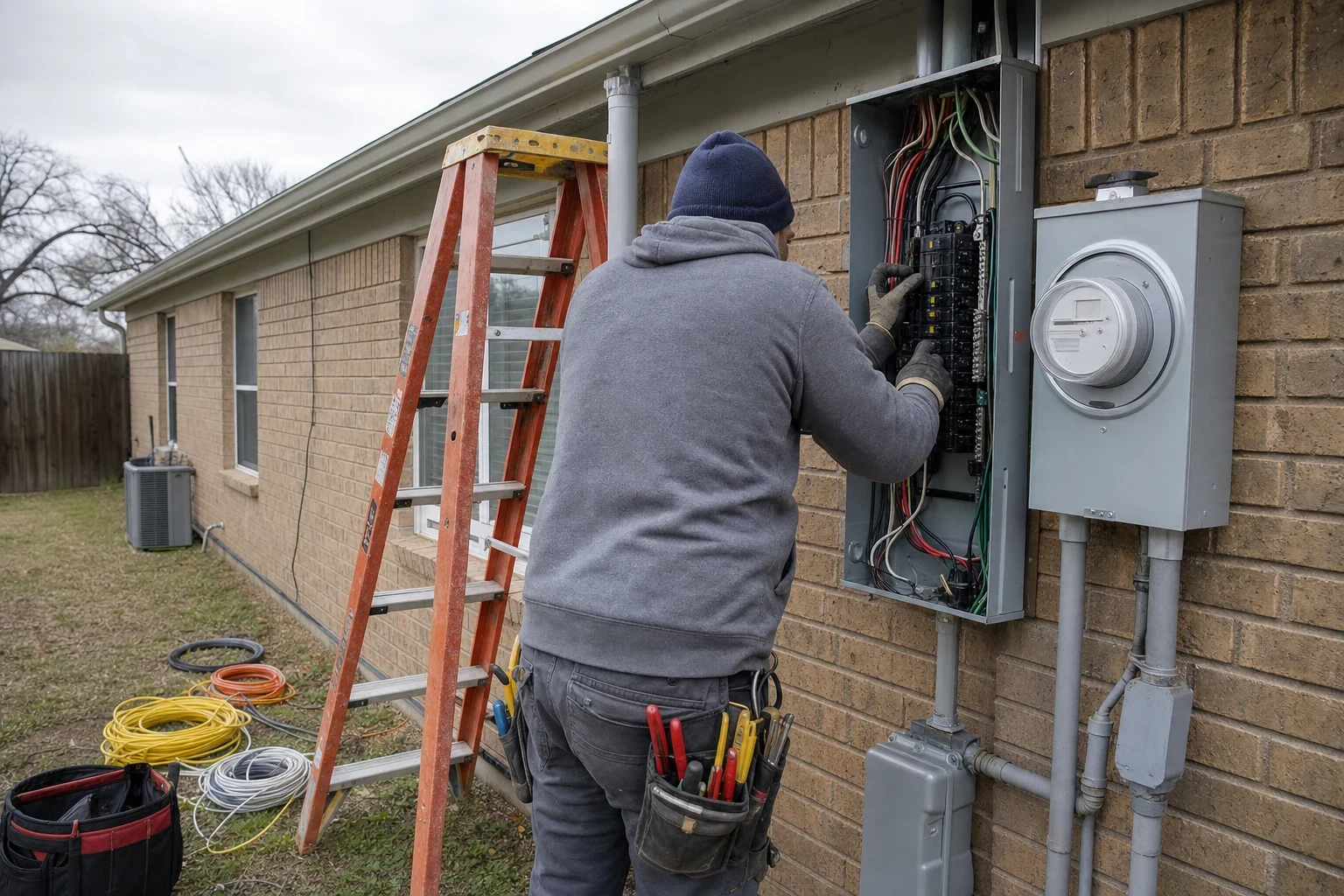
- A panel that's outdated or too small for the new circuits may have to be replaced as well. Our Panel Upgrades service covers that, often as part of the same project.
- Code work that's part of a rewire
- Grounding, smoke alarms and AFCI and GFCI protection come with doing the job properly. We list each one so you can see what code requires and the reason.
Rewiring Questions We Hear
- Is the permit for a rewire handled by you?
- Yes. We file with the local jurisdiction before work begins. The inspector looks at the wiring at rough-in and once more at the finish. The paperwork stays off your plate.
- Can we stay home during the rewire?
- Most families stay. We go section by section and turn power back on in completed rooms at day's end when possible. Plan on a room or two being closed off some days and the power being off for part of the day.
- How long will a full rewire take?
- That comes down to size, access and when inspections can be booked. A small house moves quicker than a two-story with finished ceilings. Your written scope includes a timeline, and we tell you if something shifts it.
- Do my walls get torn open?
- No. Wherever we can, we fish new cable through the cavities already there from the attic and crawl spaces. A few small openings are usually unavoidable. We point them out before cutting and tell you at the start if patching is in our scope.
- Will the panel need replacing as well?
- Not necessarily. If your panel is in good condition with space to spare, the new circuits go into it. If it's too small or a type with a history of problems, we explain why and quote the panel work on its own so the decision is yours.
Find Out What Your Wiring Needs
We start with a service visit, a look at your wiring and a plain answer on whether you need a full rewire or less. Then you get a written scope before any work begins.